Picky Eater? 7 Tips That Work for Kids with Autism, ADHD, and More in 2025
Is your child a picky eater?
Do you struggle with ideas on what to feed your toddler?
Are you tired of battling at the dinner table with your child to just eat a meal?
Do mealtimes feel like one endless battle?
Does your child refuse to eat anything that isn’t on their “approved” list of foods?
If you’re raising a child with autism, ADHD, or other neurodivergent needs, you’re probably no stranger to the struggles of dealing with a fussy eater. Rest assured, you’re not alone in this.
Many moms like you face the challenge of encouraging their picky eaters to try new foods or eat meals without resistance. The good news is that with patience, understanding, and a few practical strategies, you can make mealtimes less stressful and more enjoyable for your whole family.
Let’s break it down step by step so you can help your child expand their palate and feel more at ease at the table.
How to Understand Your Child’s Food Preferences
How can you tell if your child is a fussy or picky eater? Paediatric dietitian Jessica Crandall, RDN, suggests that “eating fewer than 10 foods and really struggling to try new foods is beyond being picky and a red flag for a problem eater.”
The first step in easing mealtime struggles is understanding your child’s eating habits.
Food Diary
A great place to start learning about your child’s food behavior is to keep a food diary for the week and list the foods your child eats. Then sort these foods into the following categories:
- color
- texture
- taste
- smell
- temperature
You can learn more about your child’s eating habits and find ways to handle their food aversions. By offering ideas to expand their food choices, you can still keep them comfortable and happy with what’s on their plate.
Some picky eaters may have sensory challenges that shape how they feel about food. They might like certain textures or avoid strong smells. Keeping track of what they eat in a food diary can help you notice patterns and figure out what makes them reject certain foods and how to avoid those meltdowns at mealtimes.
Freebie!

Unsure if it’s a Tantrum or Meltdown?
This Guide is for YOU!
Created for moms raising kids with Autism & ADHD, this guide helps you move from confusion & stress to calm & confidence – right when BIG emotions hit. Say goodbye to second guessing & hello to REAL SUPPORT that actually helps.
By observing your child’s preferences, you’ll be better equipped to offer foods they might enjoy while gently introducing new options. Let’s look at each of these sensory factors and how they play a role in your child’s eating behaviors.
1. Color

Have you noticed that your child gravitates toward foods of a specific color? Many neurodivergent children form strong attachments to colors, and this can extend to their food choices. Does your child refuse a certain color of food, and no matter what you, do they simply will not eat it, like orange food? The chances of you getting them to let that carrot, pumpkin or sweet potato past their lips is not very high. The trick is to keep them comfortable with their food – offer your picky eater food that is the same color!
Beige or white foods are often a favorite with our neurodivergent kids. Foods like white bread, plain pasta, rice, chicken – especially nuggets, fries, potatoes or popcorn are very commonly eaten.
You’ll notice that your piecky eater refuses to eat anything green or orange. This preference can feel limiting, but it’s also a clue you can use to your advantage.
Food Chaining
Start by presenting foods that match their preferred color palette, then gradually introduce new foods that share the same color but offer different textures or nutritional benefits. This method, known as food chaining, builds on existing preferences to expand dietary variety. If your child likes white bread, you might introduce cauliflower, parsnips, or white beans. The similarity in color helps make these new foods less intimidating.
2. Texture
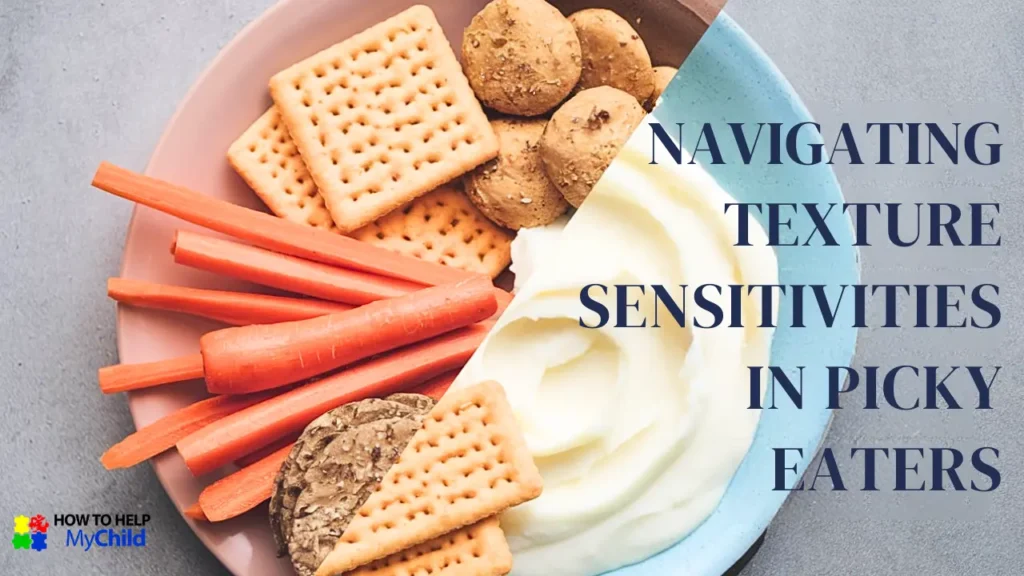
Have you thought that sometimes your child’s food dislikes maybe due to the texture of food? Oral defensiveness is a heightened sensitivity to textures in and around the mouth and is easy to miss – so watch closely!
Crunchy Food
Texture often plays a major role with your picky eater, especially for our kids on the spectrum. Some children crave crunchy, crisp foods like crackers, raw veggies, or chips. Apples, celery, potato crisps, and raw veggies give a great stimulus to those sensory seekers that will only eat crisp and crunchy foods. If this is your child, maybe they don’t like the feel of soft foods in their mouth or when they gag on food?
Soft Food
Another type of textured food is the soft and smooth feel that younger children often prefer. Yogurts, puddings, mashed banana, sauces and pasta may be their favorite foods. These types of food do not require much effort to eat and your child may avoid foods with lumps in them. These may make them feel safe with no fear of gagging.

You’re Not Alone – Find Your Support System Here!
Parenting a child with autism or ADHD can feel isolating—endless meltdowns, sleepless nights, & feeling like no one understands But you don’t have to do this alone.
❣️Get real-life strategies to handle daily challenges.
❣️Connect with moms who get it—no judgment, just support.
❣️Share your wins (and struggles)
❣️Find encouragement, advice, & a place to vent when you need it most.
👉Join our private Facebook group today and step into a community that truly understands!
3. Taste
Spicy and Strong Flavored Foods
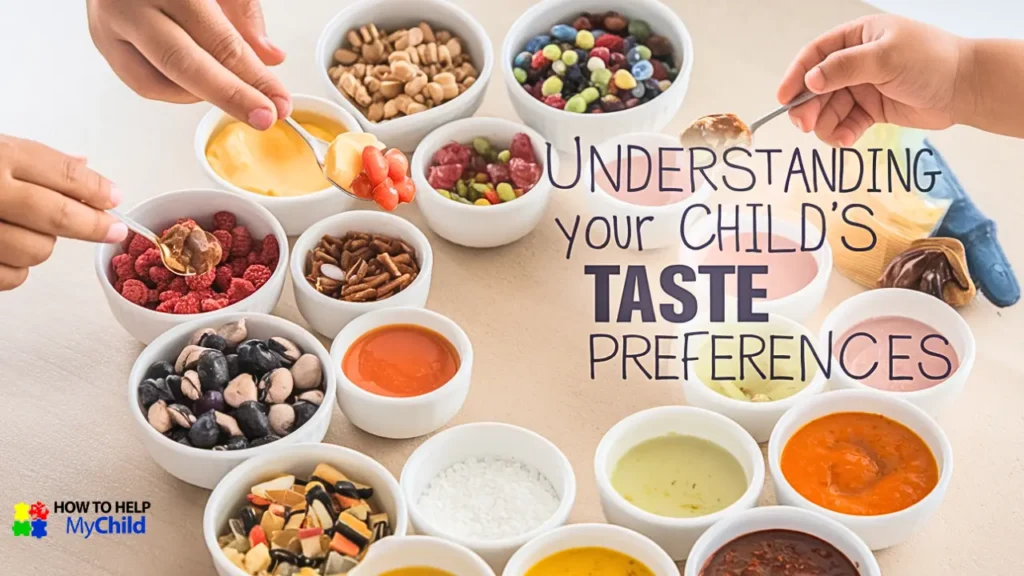
Children who are more hyposensitive tend to enjoy foods which are stimulatory, because they have a decreased sensory response, and the strong or spicy foods help stimulate their brain to provide the feedback they are seeking. Your child may prefer to eat spicy foods with chillies or hot sauces, spicy chicken wings, or food with pepper. Strong flavored foods may include salty tastes like crackers, pretzels, anchovies and salted chips. These foods that give a zing to your picky eater’s taste buds are beneficial to your child because they activate their brain and satisfy their sensory needs.
Bland Foods
Bland foods are often a favorite with young sensory eaters – there is nothing too demanding or challenging with these types of foods. You may notice that most bland foods also fit into the white or beige color category. Custards, mashed potato, plain pasta, steamed chicken breasts, and french fries. Remember plain food eaters may not like any condiments – ketchup, barbecue sauce, mustard, mayonnaise, salad dressing, spaghetti sauce, salt, pepper, or gravy. So keep things simple for your picky eater!
Combining textures may be too challenging for your picky eater. Peanut Butter and Jelly may literally send your child with autism or ADHD into a meltdown with their senses. Understanding their preference can help you tailor meals to their needs and slowly widen their food selection. Try and choose options that are simple and not overwhelming, making them easier for your child to accept.
4. Smell

The smell of food can be a dealbreaker for many children, especially those with heightened sensory sensitivities. For our picky eater with low tolerances for scents, the aroma of certain strong-smelling dishes, like pizza, fish, or cheese, can overwhelm their senses and impact their willingness to eat. Smells can even cause our neurodivergent kids to avoid an entire meal.
To make mealtimes more relaxing, consider separating foods on their plate to prevent mixing aromas. You might also serve meals with less cooking odor, like cold sandwiches or plain veggies, to avoid triggering sensory overload.
Whilst smell may not bother you, if you are aware of even the smallest smell and the impact it has on your autistic child, you can serve safe foods to encourage them to try more variety. It is not uncommon for your ADHD child to be sensitive to both taste and smell
5. Temperature
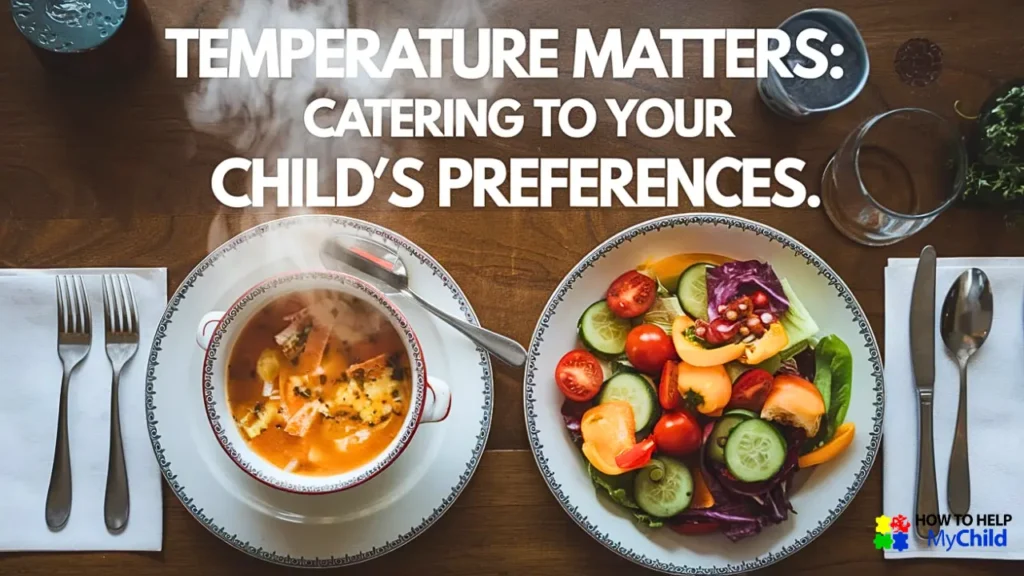
Temperature sensitivity is another factor that can influence your child’s eating habits. Some picky eaters strongly prefer hot foods, while others will only eat meals served cold. Warm soups and casseroles might feel comforting to some but unbearable to others.
💡TIP
Let your child guide you. If they prefer cold snacks, offer chilled fruits, veggies, or yogurt. If warm food is their comfort zone, serve their meals freshly cooked. You can also experiment with changes, such as giving them a frozen treat like a popsicle before a meal to help desensitize their mouth.
6. Food Placement

For many children with autism or ADHD, how food is presented can make a big difference. Some kids feel stressed if foods on their plate are touching, while others might prefer all their food served separately.
Divided plates or small bowls can be useful tools to keep foods separate. Another approach is to serve meals family-style, placing all the food in the middle of the table and allowing your child to choose what they want. This method lets them feel more in control and reduces the pressure of being handed a plate they may reject. Simple adjustments like these can ease anxiety and encourage a more positive experience at mealtime for your picky eater.
7. Child Buffet Size
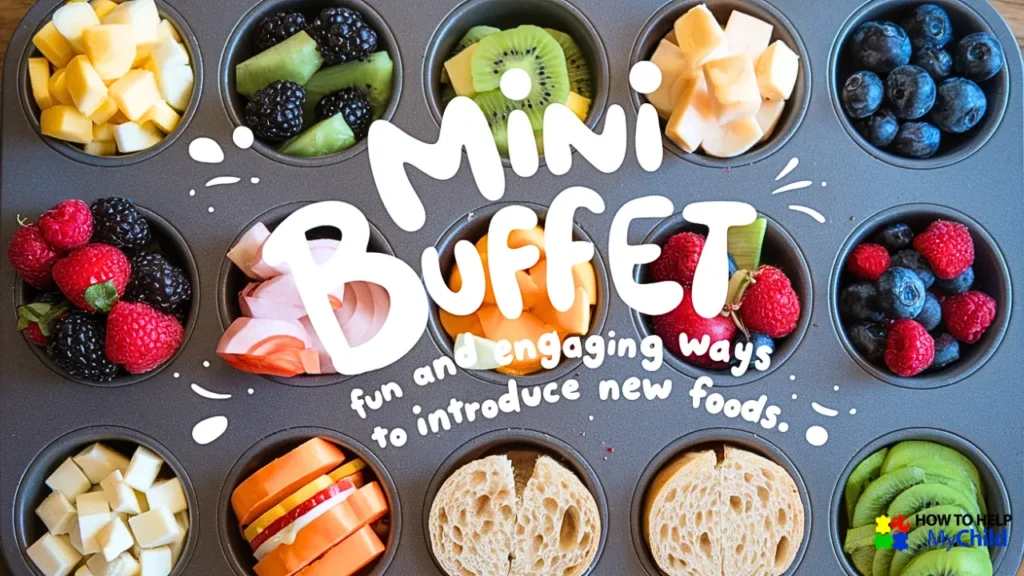
One way to make trying new foods more appealing for your picky eater, is to turn mealtime into a fun, low-pressure activity. Consider creating a “child-size buffet” by offering small portions of various foods in an ice cube tray or muffin tin. Include a mix of familiar favorites and new options. For example, you could create a build-your-own pizza bar with toppings like cheese, pepperoni, and veggies for them to explore.
The goal is to make food fun and engaging rather than a source of conflict. Finger foods, bite-sized pieces, and visually appealing spreads are all great ways to encourage curiosity without pushing your child too hard. School lunch boxes are great for serving as mini buffets.
Empowering You and Your Child

Remember, every neurodivergent child is unique, and so is their journey with food. Mealtimes don’t have to be a battleground. By observing your child’s preferences and introducing changes slowly, you can create a more positive experience for both of you.
Patience and consistency are key. Celebrate small victories, like trying a new texture or eating a tiny bite of something unfamiliar. Avoid pressuring your child into eating, as this can increase resistance. Instead, focus on nurturing trust and keeping mealtime as stress-free as possible.
You’ve can do this, Mama. Take it one meal at a time, and remember you’re not alone. With the right approach, your picky eater can make progress—and so can your family.
You can do this!
Take care,
Sue
🍃💖🍃