

How to Reduce Meltdowns in Kids With ADHD or Autism
You know the scenario…
Your child’s face crumples. Their voice gets louder.
The meltdown is coming – and that knot in your stomach twists tighter.
Whether it’s yelling, crying, running, or shutting down, autism meltdowns and ADHD meltdowns can leave you feeling helpless, overwhelmed, and unsure what just happened.
But here’s the truth I want every mom to know:
Meltdowns aren’t random.
And they’re not your fault.
And yes – you can reduce them.
As a mom of three boys with additional needs, I’ve been in your shoes.
I’ve walked out of grocery stores mid-tantrum, canceled plans to catch up friends and family, and cried behind closed doors.
But I’ve also learned what helps.
Over the years – and alongside many other moms in our community – I’ve discovered what truly works to reduce meltdowns, especially autism meltdowns and ADHD meltdowns that catch you off guard and leave everyone drained.
If you’re looking for real-life ways to reduce meltdowns in kids with autism or ADHD, you’re in the right place.
Looking for more meltdown strategies that work?
So today, I’m sharing 9 strategies you can start using right now to create more calm at home – and reduce those challenging ADHD and autism meltdowns for good.
Prefer to watch instead? Catch the video walkthrough here:
How to Reduce Autism and ADHD Meltdowns With Simple, Daily Strategies
Remember – parenting a child with autism, ADHD, or sensory processing challenges isn’t like following a typical parenting handbook. It takes special understanding, endless patience, and most importantly – support.
I want to help you navigate this journey. Together, we’ll explore nine essential strategies that have helped many families like yours manage and reduce meltdowns effectively. Come join our free facebook group and discover the support of a community of moms just like you.
1. Create a Consistent Routine

Does your child struggle with transitions or changes in their day?
You’re not alone – many neurodivergent kids find comfort in knowing what to expect.
Neurodivergent kids crave predictability. It helps their nervous systems feel safe.
And the good news?
Creating a consistent routine doesn’t have to feel rigid or exhausting.
It doesn’t mean running your house like a military base!
It’s about building a rhythm that helps your child feel safe, supported, and more in control.
Why Routine Reduces Anxiety
Your child’s brain is constantly working hard to process their environment – from sounds and lights to social expectations and internal emotions.
When you introduce a predictable routine, you take some of that load off.
Instead of guessing what comes next, your child can settle into the comfort of familiarity.
Think of routine as a steady anchor in a world that can often feel unpredictable and overwhelming.
How to Build a Routine
Start small. Begin by creating clear, repeatable anchors in your day like a morning or bedtime routine.
Then gently layer in structure around mealtimes, play, transitions, and even downtime.
The key isn’t strict timing – it’s predictability.
Knowing that breakfast comes before getting dressed or that outside time follows lunch can make a huge difference in how regulated your child feels.
And don’t forget to build in sensory breaks.
These aren’t just free time, they’re essential opportunities for your child’s nervous system to reset.
Whether it’s a few quiet minutes under a weighted blanket, some time on a swing, or just lying on the floor with a favorite toy, this space to recharge is just as important as any other part of the day.
And don’t forget your own routine.
A mindful morning for YOU can make your child’s routine run more smoothly too. Here’s a gentle guide just for moms.
💛 From a Mom in Our Community:
Our mornings used to be chaos. Jack would scream and hide under the table, and we were all on edge. But once we built a simple visual morning routine, everything changed. He knows what’s coming next, and I feel less like I’m fighting every step.”
— Sarah, mom to 7-year-old Jack with ADHD and sensory needs

You’re Not Alone – Find Your Support System Here!
Parenting a child with autism or ADHD can feel isolating—endless meltdowns, sleepless nights, & feeling like no one understands But you don’t have to do this alone.
❣️Get real-life strategies to handle daily challenges.
❣️Connect with moms who get it—no judgment, just support.
❣️Share your wins (and struggles)
❣️Find encouragement, advice, & a place to vent when you need it most.
👉Join our private Facebook group today and step into a community that truly understands!
2. Use Visual Aids
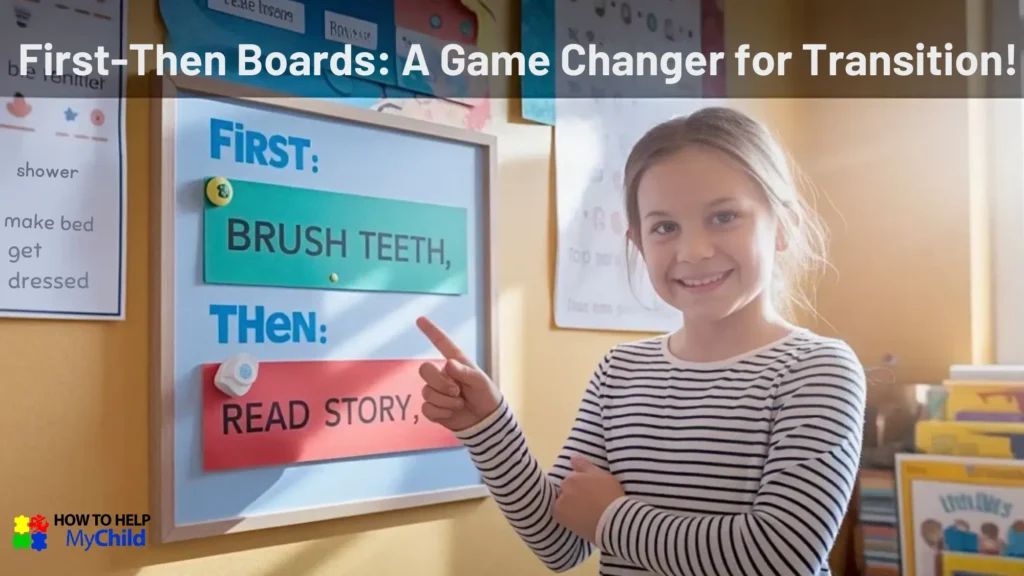
Words can be overwhelming for our children, especially during meltdowns.
Visual supports offer clear and constant reminders that your child can process at their own pace, without the added stress of too much noise.
It is simple to make visual aids work for your family.
Visual Aids to Support Routines and Reduce ADHD and Autism Meltdowns
Many of our children struggle with transitions or following verbal instructions – that’s where visual supports can transform your daily life.
Unlike verbal instructions which disappear once you’ve spoken them, visual aids give your child concrete, lasting references they can process at their own pace.
💡TIP
Visuals make the invisible visible. Use a First-Then board or picture schedule to reduce anxiety during transitions – your child can see what’s coming, which helps them feel more in control.
Types of Visual Supports That Work
Start with simple visual schedules showing your day’s main activities.
You can use:
- First-Then Boards – Great for transitions
- Picture Schedules – Help with daily routines
- Emotion Charts – Teach emotional awareness
- Choice Boards – Let your child feel in control
- Checklists – Use words and pictures
- Visual timers – Great for transitions
Implementing Visual Supports
Choose visuals that match your child’s understanding level.
Some children respond better to real photos, others to simple drawings or written words.
Start with one type of visual support and gradually add more as your child becomes comfortable.
Learn how to create a visual schedule step by step.
💛 From a Mom in Our Community:
“Maya’s meltdowns always happened during transitions – until we started using a First-Then board. Seeing ‘First breakfast, Then get dressed’ gave her something to focus on. The panic melted away.”
– Emma, mum to 6-year-old Maya with SPD
3. Identify and Understand Your Child’s Triggers

Every child has different triggers for their meltdowns – what overwhelms one child might not affect another at all.
Understanding your child’s unique triggers is key to learn how to reduce meltdowns before they start.
If public meltdowns are your biggest fear, here’s exactly what to do when they happen.
What Are Triggers?
Your child’s meltdowns aren’t random – they’re responses to something overwhelming in their environment or experience. Triggers can be sensory (like bright lights or loud noises), emotional (feeling rushed or misunderstood), or environmental (crowded spaces or schedule changes).
Tracking Triggers to Reduce Meltdowns Before They Start
Start keeping a simple “trigger tracker” in your phone or notebook.
Note:
- Time and place of meltdowns
- What happened just before
- Any sensory elements present
- Your child’s state (hungry, tired, overwhelmed)
- How long the meltdown lasted
Strategies to Minimize Triggers
Once you understand your child’s triggers, you can create strategies to manage them:
- Use noise-canceling headphones in loud environments
- Avoid fluorescent lighting when possible
- Give extra transition time in busy places
- Plan outings during quieter times
- Create buffer time between activities
💛 From a Mom in Our Community:
“I dreaded supermarket trips. The lights, the noise, the unpredictability. It was meltdown central. Now we go early in the morning, bring headphones, and use a visual shopping list. Game-changer.”
– Veronica, mum to 7 year old Sophie, AuDHD
Our children need tools to manage big feelings before they escalate into meltdowns.
Think of these coping strategies as your child’s personal calm down toolkit – the more tools they have, the better equipped they’ll be to handle overwhelming moments and reduce meltdowns.
Understanding triggers is key – but so is prevention. Read my guide to preventing meltdowns.

Is it a Tantrum or Meltdown?
This Guide is for YOU!
Created for moms raising kids with Autism & ADHD, this guide helps you move from confusion & stress to calm & confidence – right when BIG emotions hit. Say goodbye to second guessing & hello to REAL SUPPORT that actually helps.
4. Teach Calming Coping Strategies to Reduce Autism and ADHD Meltdowns

Ever wish you could press pause when your child is spiraling? Teaching your child with ADHD and autism, how to take a break and use calming tools gives them (and you) a chance to reset before things get too big.
Simple Breathing Exercises to Ease Meltdowns
Start with techniques your child can understand and remember.
Try:
- “Smell the flower, blow the bubble”
- Counting breaths with hand movements
- Belly breathing with a stuffed animal
Practice these when your child is calm so they become familiar tools.
Encourage Breaks
Teach your child to recognize when they need a pause.
Create a break card or signal they can use when feeling overwhelmed.
Make taking breaks a positive choice, not a punishment.
Practice Other Strategies
Build a toolkit of calming activities:
- Squeezing stress balls
- Using fidget toys
- Deep pressure activities
- Listening to calming music
- Movement breaks
💛 From a Mom in Our Community:
After-school meltdowns were happening every single day. Tom would come home overwhelmed and explode at the smallest thing. I set up a calm-down space with headphones, a weighted blanket, and picture cards showing calming strategies. Now, when he walks through the door, he heads straight there. It’s made a massive difference.”
— Carla, mum to 8 year old Tom, with autism and sensory processing disorder
5. How Clear Communication Can Reduce ADHD and Autism Meltdowns

Clear communication can make the difference between a smooth transition and a meltdown.
When we adjust how we communicate with our children, we help them better understand and respond to what we’re asking.
Break Instructions Into Simple Steps
Keep your language clear, concise and use short sentences:
Instead of “It’s time to get ready for bed, so we need to go upstairs and brush teeth,” try “First teeth, then bed.”
💡TIP
Less is more. Give one instruction at a time using simple words or visuals. Clear steps = less stress.
Encourage Emotional Expression
Give your child tools to express their feelings:
- Emotion cards
- Feelings thermometer
- Simple phrases they can use
- Non-verbal signals
Use Alternative Communication
If Needed Consider tools like:
- Picture cards
- Visual choice boards
- Simple sign language
- AAC
- Communication apps
Validate Their Feelings
Show your child you understand their emotions:
- “I see you’re feeling frustrated”
- “This is hard for you”
- “It’s okay to feel angry”
💛 From a Mom in Our Community:
“Bedtime used to be a disaster. Now, our simple visual schedule helps Binny stay calm and follow each step with less resistance.”
– Rachel, mum to 10 year old Binny with ADHD
6. Use Positive Reinforcement to Reduce Meltdowns and Build Confidence

What you praise grows.
Notice and acknowledge when your child tries a new skill or uses a coping strategy.
Positive reinforcement builds confidence and encourages repeat behavior.
Your attention and praise are powerful tools for encouraging positive behavior.
When you catch your child using their coping strategies or managing transitions well, acknowledging these moments helps build their confidence and reinforces these helpful behaviors, which help reduce meltdowns.
What Positive Reinforcement Looks Like
Be specific with your praise:
- “I noticed you took deep breaths when you felt frustrated”
- “You used your picture card when it got too noisy – great job!”
- “Great job following your morning routine chart”
💡TIP
Remember to praise effort and progress, not just perfect behavior.
When to Use Reinforcement
Look for opportunities throughout the day:
- When your child uses coping strategies
- During successful transitions
- When they communicate needs appropriately
- As they follow routines
- When they attempt new or challenging tasks
7. Use Reward Systems to Encourage Coping and Reduce Meltdowns
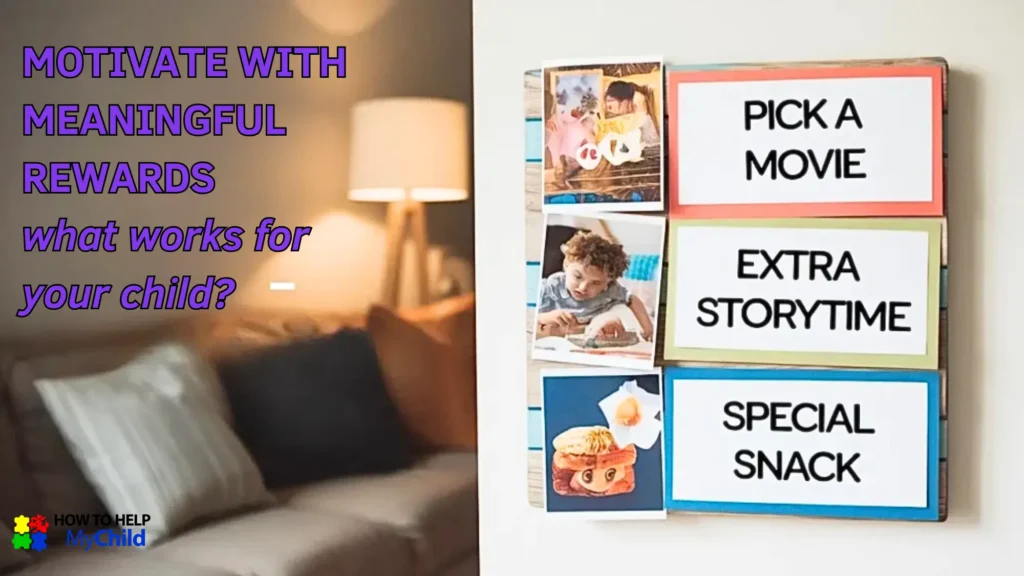
Motivation matters—especially for younger kids.
Some kids need a visual or tangible system to stay motivated.
While praise and positive attention are important, some children need more concrete ways to see their progress.
A well-designed reward system can motivate your child to use their coping strategies and celebrate their successes along the way.
Keep it simple and focused on effort, not outcomes.
Create a Reward System Start with these key elements:
- Make goals small and achievable
- Focus on process (“used calm down corner”) rather than outcomes (“no meltdowns”)
- Choose meaningful rewards for your child
- Keep the timeframe short – waiting too long for rewards can be discouraging
Types of Reward Systems
Consider what works for your child’s age and interests:
- Sticker charts
- Token Jars
- Point cards
- Special time with parents
- Privilege based rewards
💛 From a Mom in Our Community:
“Noah earns stickers for using his calm-down strategies. Five stickers = extra park time. He’s now asking to use his calm-down corner!”
– Lisa, mum to 7 year old Noah with autism and ADHD
8. Get the Support You Need to Reduce ADHD and Autism Meltdowns

You don’t have to do this alone.
Sometimes what we need most is another voice saying “I get it.”
Whether it’s a therapist or a community of moms – support changes everything.
Supporting a child with special needs isn’t meant to be a solo journey.
Whether you’re feeling overwhelmed or just need some fresh strategies, reaching out for professional support can make a world of difference for both you and your child.
Get Professional Guidance
Consider working with:
- Occupational therapists for sensory strategies
- Speech therapists for communication tools
- Behavioral specialists for specific techniques
- Child psychologists for emotional support
Join a Parent Support Group
Connect with other parents who understand your journey:
- How to Help My Child for community and real life strategies
- Local support groups
- Online communities
- Parent workshops
- Social media groups
Advocate for Your Child
Learn to be your child’s voice:
- Communicate with teachers effectively
- Request necessary accommodations
- Document concerns and progress
- Understand the difference between tantrums and meltdowns
- Share successful strategies with caregivers
💛 From a Mom in Our Community:
“I tried to do it alone for too long. Once I reached out for support, everything shifted. I felt seen. My daughter did too.”
– Dee, mum to 11 year old Alice with autism
9. Understand Your Child’s Brain to Reduce Autism and ADHD Meltdowns

The more you understand, the more peace you can create.
There’s power in knowledge.
Learning more about how your child’s brain works helps you stay grounded, patient, and proactive.
Taking time to learn about autism, ADHD, or sensory processing challenges helps you become a more effective advocate for your child.
To dive deeper into what meltdowns really are and why they happen, check out this helpful guide from the National Autistic Society.
Read, Watch, Attend
Expand your knowledge through:
- Reputable websites and books
- Parent training programs
- Professional workshops
- Online courses
- Podcasts and webinars
Teach Others Too
Help others understand your child:
- Explain diagnoses in simple terms
- Share successful strategies
- Demonstrate helpful techniques
- Provide resources they can explore
💛 From a Mom in Our Community:
Maria, felt lost when her son Bobby, was first diagnosed. As she learned more about sensory processing challenges, she began to understand why certain situations triggered his meltdowns. This knowledge helped her adapt their environment and routines to better support his needs, leading to fewer meltdowns and more confidence for both of them.
Your Next Steps
You’ve just learned nine proven ways to reduce meltdowns in kids with autism and ADHD.
You’re already doing the hardest part: showing up and learning.
These strategies aren’t one size fits all, but even small changes can help prevent ADHD meltdowns and ease the intensity of autism meltdowns.
Start with one step that feels doable.
Maybe it’s a visual aid, a consistent routine, or a calm-down corner.
Build from there.
One moment at a time.
Ready to Create More Calm in Your Home?

Remember – you’re doing an incredible job navigating the highs and lows of parenting a neurodivergent child. Each meltdown isn’t a failure. It’s an opportunity to understand, connect, and grow.
And you’re not alone.
You can do this!
Take care,
Sue
🍃💖🍃

Love to pin? Share the love on Pinterest …


